
A New Central Secretary for the USDAM
On June 25, USDAM delegates elected Carlo Mathieu as the new central secretary. He succeeds Beat Santschi, who successfully led the USDAM through difficult times.




The USDAM’s annual delegates’ meeting was held in Biel amid sweltering heat. The meeting took place at the Salle Farel, an architectural icon from the late 1950s. Originally designed as a parish hall for the Reformed Church, it has served as a cultural center for the past 10 years, featuring a cozy bistro and a hall that hosts a wide variety of events.
The meeting began with a hearing on King René's Chimney by Darius Milhaud, performed with great finesse and a magnificent sound by a woodwind quintet from the Biel-Solothurn Symphony Orchestra.
In his welcome address, Central Co-President Davide Jäger stated that, generally speaking, the USDAM is primarily associated with «pay scales.» The recently published pay rate reports, which document which professional orchestras comply with the USDAM’s minimum pay rate and which do not, show where we stand today. Despite the immense pressure to cut costs, this shouldn’t even be up for debate; rather, it should be up to the government to support culture more generously. Military procurement programs take priority, despite the fact that cultural projects are much less expensive. In conclusion, Davide Jäger stated that awareness of the minimum wage still needs to be raised.
Central Co-President Muriel Noble noted that recognition of the profession of musician is still somewhat lacking, given that even subscribers to the Orchestre de la Suisse Romande are unaware that it is a professional orchestra. The cost of training to become a musician—not to mention the expense of instruments—is completely overlooked. Muriel Noble also reiterated the great importance of solidarity among permanent musicians toward freelance musicians.
Sophie Laville, president of the Biel chapter of the USDAM, also greeted the delegates and drew a parallel between her orchestra—which is seeking a new artistic director starting with the 2027–28 season—and the USDAM, which will soon have a new central secretary at its helm. A time of change…
Cristian Vasile, of Geneva, is stepping down from the Central Committee after serving on it for 22 years. Muriel Noble paid tribute to his achievements (which we will discuss in more detail later) and described him as a man who, while following his own path, was nonetheless committed to the community.
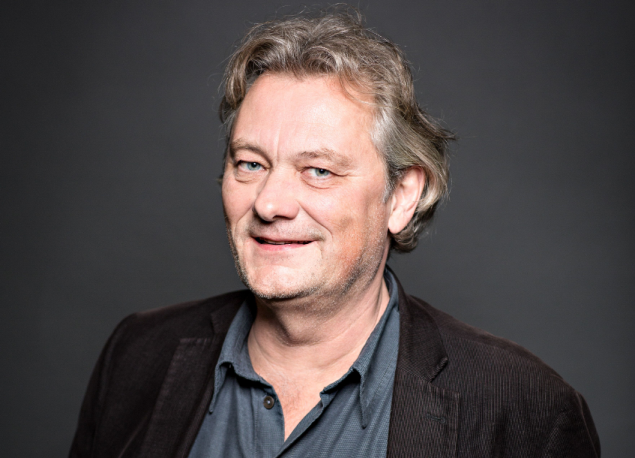
Having reached retirement age, Beat Santschi has also resigned from his position as central secretary of the USDAM (see the separate article recounting his activities within the USDAM as well as his interview). Toni Krein, president of orchester.ch, the umbrella organization for Swiss professional orchestras, emphasized that his relationship with Beat Santschi had always been characterized by mutual respect and trust—something that is by no means a given. Davide Jäger stated that Beat Santschi had practically become the embodiment of the USDAM, having served first as a member of the Central Committee, then as Central President, and finally as Central Secretary. It was always important to him that both self-employed and salaried members pull in the same direction. Beat Santschi was awarded the title of honorary member of the USDAM, and he expressed his gratitude for this distinction. He served on USDAM’s governing bodies for 28 years and was the first self-employed worker to become central president. The pandemic was the most difficult period of his professional life, but the Culture Task Force proved to be very helpful. As his hopes for the future, he mentioned fair wages and social protection for both employees and the self-employed. We seem to be on the right track, but the path ahead remains fraught with obstacles. More work is still needed to improve the image of the music profession. He hopes that the battle for compensation related to the AI’s use of musicians’ performances can be won. International solidarity is important. Within Switzerland as well, various professional associations should join forces.
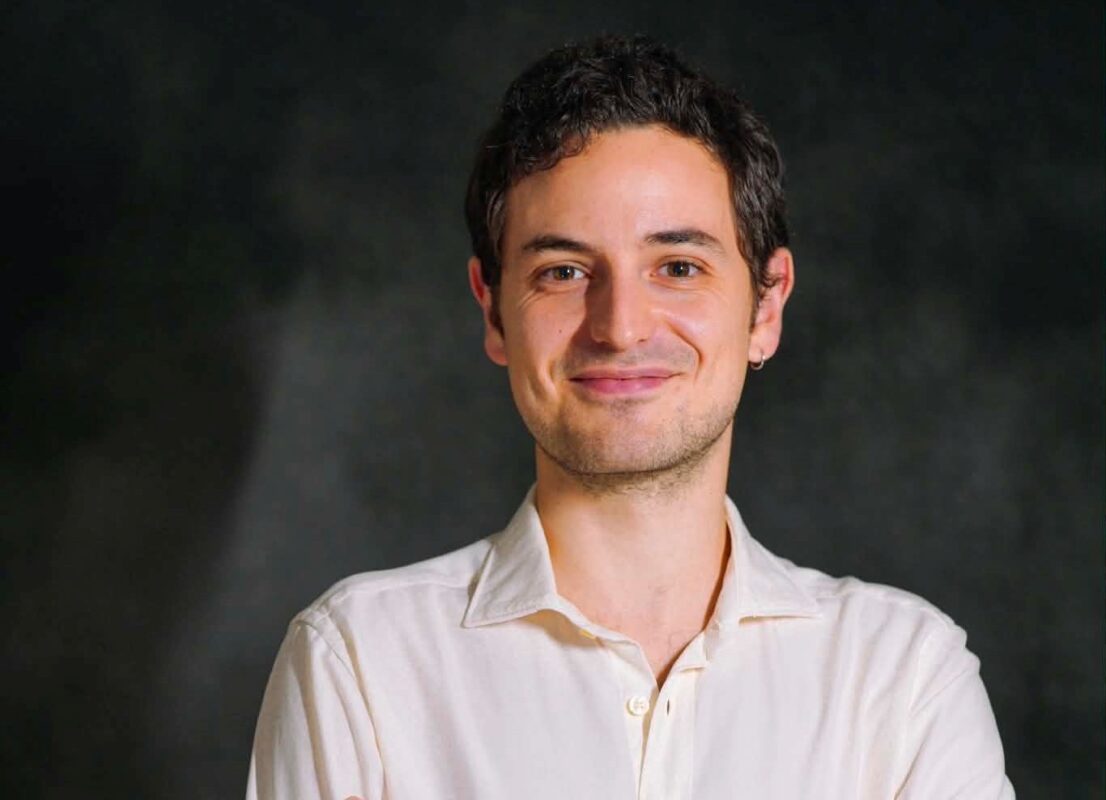
Carlo Mathieu, a candidate for the position of central secretary of the USDAM, then introduced himself. A separate article in the next issue will be devoted to him. He was unanimously elected to succeed Beat Santschi. Maël Graa, a professional tenor from French-speaking Switzerland who has long been committed to improving working conditions for independent singers in the French-speaking cantons, was elected to succeed Cristian Vasile on the Central Committee (see the article featuring an interview).
As agreed at the 2025 Annual General Meeting, the «Balancing Care and Work» and «Health and Safety Platform» working groups reported on their activities. Deciding which working group should continue its work was the subject of a long and contentious debate. While the Central Executive Committee aims for and prioritizes a comprehensive solution—in which not only health issues but also workplace bullying and the balance between work and childcare represent different facets of a comprehensive health strategy— a majority of the delegates favored giving priority for the time being to the «Healthcare and Work» working group, which deals specifically with the day-to-day challenges faced by pregnant women and new parents. The «Health and Safety» topic will be explored in greater depth and developed by Muriel Noble in collaboration with physical therapist Jody Karoubi.
A motion from the Zurich chapter calling for greater transparency in the selection of delegates to national and international union assemblies was noted.
With Beat Santschi’s departure and Carlo Mathieu’s election, the Biel Delegates’ Assembly had taken on an almost historic significance, but the lively debates and the record-breaking outdoor temperature will undoubtedly also remain etched in people’s memories.
The minutes of this meeting will be published on the USDAM website and may also be consulted at the Central Secretariat.