
Working together for wind music
Fewer and fewer children are learning to play a wind instrument - and not only music schools but also wind music societies are feeling the consequences. Regional groupings, such as the new «Regionale Jugendmusik Aareland», can improve the situation.




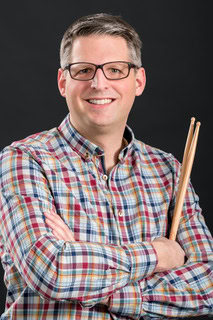
«Encouraging youth is an issue that concerns us all,» says Fabian Gaberthüel. «You can't just go to the village, teach and then go home. As a percussion teacher at several music schools in Aargau and a member of the Rothrist music society, he knows from experience what he's talking about. Brass and brass bands need new recruits, young people benefit from the opportunity to play ensemble music in a society - and music schools provide their training. Two years ago, realizing that the region had five wind music societies but only one youth band, he decided to take action. »In the five communes of the region, we have 4400 schoolchildren, about one in five of whom plays an instrument,« he calculates. »Around 80 play a wind instrument and around 90 percussion. That represents a huge potential.« He drew up the plan for a regional youth music, organized meetings with schools and music societies, and also personally presented his idea to all music teachers. »We wanted to involve all stakeholders,« he explains. »All are necessary: societies, music schools and teachers.» The first rehearsal took place in February 2026 with fifteen young people, and the first concerts are already planned.
Thanks to the tripartite structure, regional youth music will be closely integrated into the existing offer. The «Mini» level will take place in music schools, where children and young people can gain their first experience of playing in a wind ensemble. The «Midi» level corresponds to the new «Jugendmusik», and at the «Maxi» level, young people join the wind music society. «Fabian Gaberthüel believes that »regional youth music is destined to become the melting pot from which all music societies will be able to draw. He emphasizes that, after the hard work of setting it up and communicating it, the successful launch of the new youth music is his greatest reward.
Marco Aebersold, current director of the Aarberg School of Music, relates a similar experience. Some twenty years ago, together with his colleague Jörg Burkhalter, also a wind orchestra director, he founded a youth wind orchestra for the Lower Simmental region, the «Jugendblasorchester unteres Simmental» (JBUS). «The preparatory work was very intensive,» he explains. «It was all about raising awareness, and also allaying concerns». Thanks to an inter-company organizing committee, the JBUS was able to ensure that the next generation would be able to integrate the various music societies. He stresses the importance of working intensively with young musicians, building bridges and creating links with adult societies.
Even back then, the JBUS sought to collaborate with music schools - the two founders themselves taught at the local music school. As a school principal, Marco Aebersold still sees an advantage in this: «When music teachers are also committed to wind music societies, it's a win-win situation for both parties. Wind music societies are very important partners for music schools,» he points out. As they are very active musically in the region served by the Aarberg music school, it is all the more important that children and young people are prepared and encouraged at the music school. «Wind music societies play a central role in social cohesion,» he stresses. «They bring together different age groups, different people. We can't praise the existence of wind music enough; it's a hobby that creates bonds.»
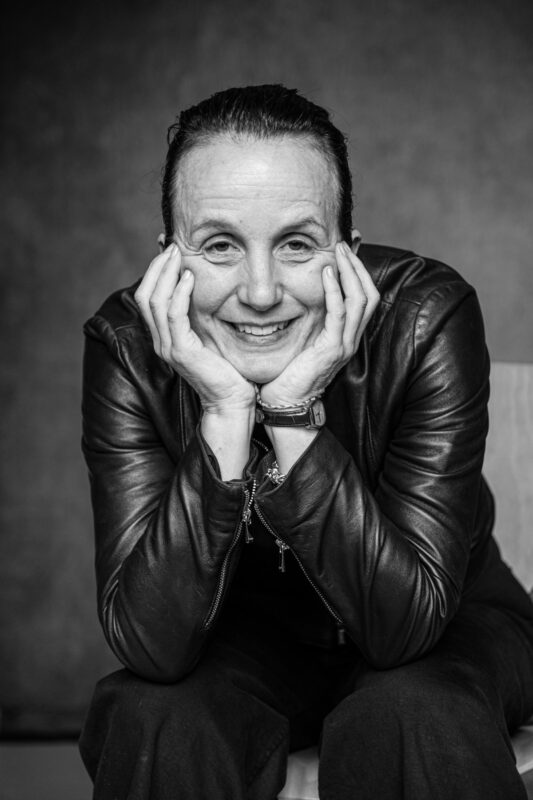
Nadja Günthör, President of the OC for the 2026 Federal Music Festival in Biel/Bienne, is passionate about associations. «It's a great pity that community life is in decline,» she laments. That's why the organizers of the first Federal Music Festival in ten years have made sure to give a lot of space to young people and to bring the generations closer together. «As human beings, we live on emotions and passions - that's why music exists». Wind music societies, music schools, but also cantonal and national associations all pull at the same rope, she observes, which is why it's worth communicating together and daring to take the plunge.
Isabelle Lehmann, Deputy Director of the Biel School of Music, is delighted that her institution - like all the other music schools in the region - was invited to take part in the FFM. Several groups, some of them specially created for the occasion, performed on stage. In Biel, enrolment in wind instruments remains stable, with around a fifth of students taking individual lessons on a wind instrument, and a further twenty in classical percussion. A third of students learning a wind instrument are also members of JUBIS, the youth ensemble of the Biel City Band. «The wind music societies complete something we can't do,» notes Isabelle Lehmann. «The common practice of music in a large ensemble, the feeling of belonging to a society, excursions and weekends. We can mutually enrich each other.»
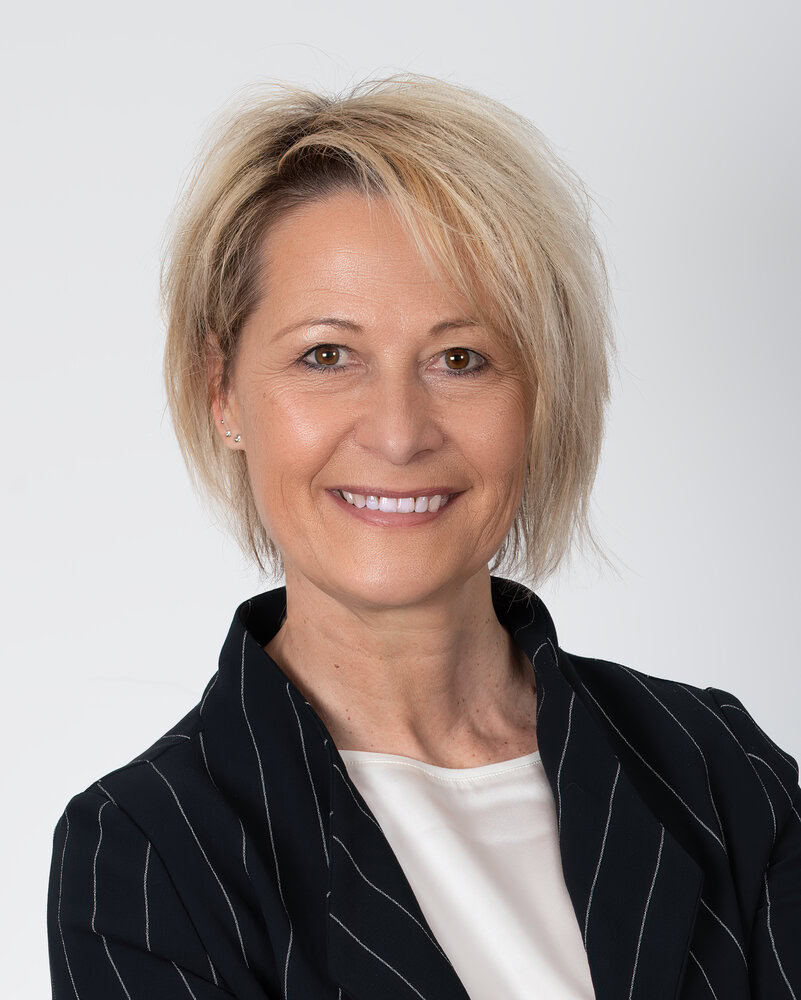
«We should be communicating with each other a lot more. Pulling on the same rope, supporting each other, daring to take the plunge. We must not hesitate to commit ourselves to the music».
Nadja Günthör, President of the FFM 2026 OC