
The top 3: piano, guitar, violin
The 2025 statistics report from the Swiss Association of Music Schools clearly shows which instruments are most commonly taught to children and young people in music schools. Once again this year, there are no surprises: the piano tops the list, well ahead of the guitar, followed by the violin in third place. To find out why these instruments are so popular, we spoke with three music teachers.



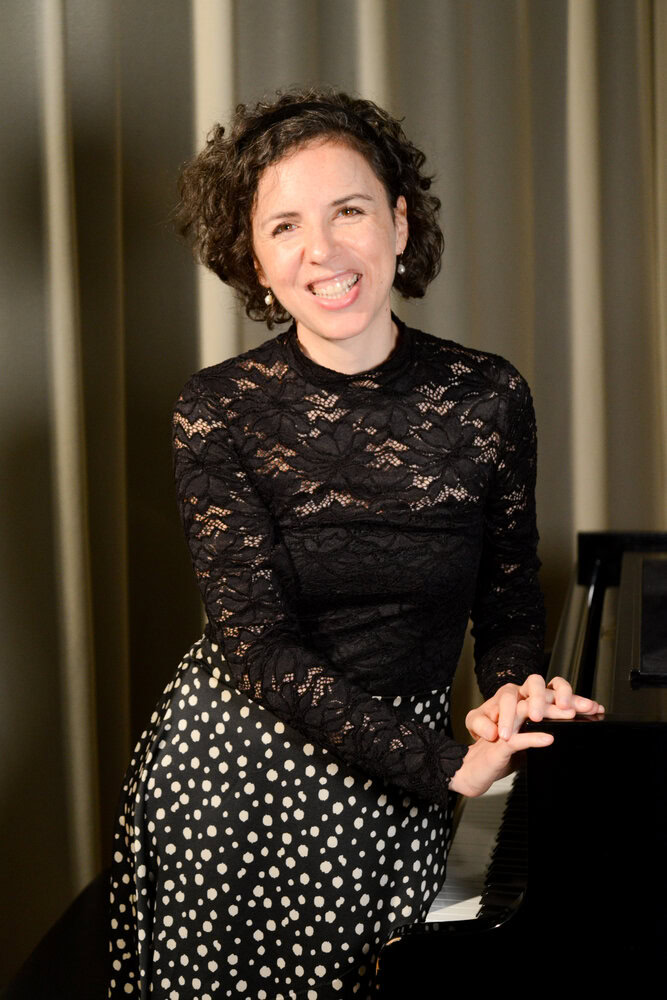
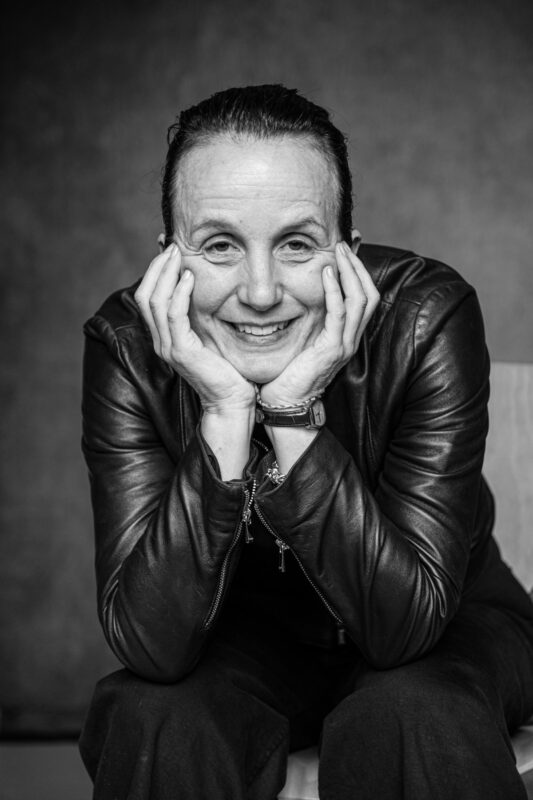
Sara Mendes, piano teacher at the Lucerne City School of Music (Photo: zvg)
Piano, My Favorite
Sara Mendes is a pianist and piano teacher. She studied in St. Petersburg and Switzerland, gained professional experience in Wollerau, Sydney, and Willisau, and has now been working at the Lucerne City Music School for four years. There, she teaches children and adults, and starting in the fall semester of 2026, she and three colleagues will introduce a new introductory piano course for young children («Frühklavier»).
The piano has been the most commonly taught instrument for years. How do you explain that?
Perhaps because it suits so many musical styles. The piano is versatile. It’s a very visual instrument, and there are plenty of great tutorials on YouTube that show the keys from above, making it very easy to learn pieces of music. Many children and young people use them, and they often lead to interesting discoveries for us as teachers, too. Besides, the piano is very accessible. At home, we have a grand piano set up near the entrance that’s always open. Everyone who comes over tries it out, including the little kids. It’s very spontaneous, very simple, and quick. And yet there are still so many other wonderful instruments (laughs).
What got you into playing the piano?
As for me, it was kind of a coincidence. As a child, I attended a ballet school that also offered music classes, and my ballet teacher gave me piano lessons. She had a small class but was very active; she also sent us to Italy to participate in competitions. When I was 12 or 13, it became clear to me that I wanted to deepen my knowledge and continue my studies—that I wanted to make it my profession.
Have you ever gone through some kind of crisis and regretted not choosing a different instrument?
As a teenager, I went through a crisis, but it was more a matter of time than of the instrument itself. I wondered if I wanted to keep devoting so much time to music. My friends had lots of other activities in their free time, and I practiced a lot every day. My teacher was very strict. The other crisis came later. I often find myself thinking that I would have been better off choosing the cello. I feel that a melodic instrument would suit me even better. The cello is my favorite instrument after—or perhaps on par with—the piano.
So you're going to learn the cello, too?
No. I’ve already tried it—my son plays the cello, and I quickly realized just how difficult it is. It takes a long time to reach a certain level—it requires a lot of time, and I don’t have that right now. So it’ll have to remain a dream. With the cello, as with many other instruments, the connection is so close that you can hold it in your arms. With the piano, that’s not possible. The connection to the instrument—that physical closeness—has to come through the imagination. That’s why I’m a little jealous of cellists (laughs).
Is there anything you do with all your students during their first piano lesson?
I place great importance on helping them become familiar with the keys. I explore all the possibilities with them—all the octaves, as well as the pedal. We improvise based on animals and play in both the high and low registers. The children make up sounds, play only the black keys, and try out every possible experiment. In this way, they develop a sense of the instrument’s grandeur right from the start.
At what age do students start?
There are still a lot of people who think you shouldn’t start playing the piano until you’re eight or nine—I don’t know where that idea comes from. I think it’s wonderful to start as early as age five. I love this work. Of course, the pace is different—you can’t have the same expectations—but if you’re patient, you can make a lot of progress in a playful way, spark the student’s imagination, and really connect with the child. In Lucerne, we’ve now started offering group introductory piano classes for children ages five to seven. I love this teaching format—it creates a different dynamic. As a piano teacher, I usually spend a lot of time sitting at the piano, whereas in a group setting, it’s more varied—we get up, we dance—it’s a lot of fun. The idea is for the children to have a positive experience as they discover music and play together.
How many of your students have a real piano at home?
About half. I always recommend an acoustic instrument, but I also understand that this isn’t possible for every family. That said, it’s important to know that a piano doesn’t have to be expensive. On Ricardo, you can find lots of good instruments for next to nothing. And you only need to have the piano tuned once a year. But ultimately, it’s of course up to the family to decide what’s feasible.
Based on your experience, how many years do children typically attend school? Is there a critical phase?
Often, they discover during adolescence that they also have other interests and would like to spend time with friends. When they enter high school or begin an apprenticeship, many scale back their activities. In contrast, during elementary school, it’s fairly rare for them to drop out.
How often should students practice?
I always say: play five times a week, including piano lessons—in other words, four times at home. That’s what I do with my kids—both of them are learning an instrument, too. A large part of the work falls on us as parents: it’s up to us to create the right structure. Children need help getting organized, at least while they’re still in elementary school. We make sure to remind them to brush their teeth and take a shower. At the Lucerne City Music School, we offer annual parent-teacher conferences—this year, I emphasized practice at home. Parents often complain that their children forget to practice. I tell them they can remind their children—they’ll be grateful for it later. I know, however, what that means: as a mother, taking on this role and practicing with the children after a long day at work takes a tremendous amount of energy out of me. But then, it’s wonderful when they’re sitting at their instruments.
How long should they practice?
I don’t think it’s a good idea to set a time limit; they might just end up sitting around waiting. I give the kids a concrete plan. Often, we roll the dice during the lesson to decide how many times they need to repeat something—they really enjoy doing that. I always assign three pieces of homework: a short warm-up exercise, a piece we’re currently working on, then a bit of theory, a rhythmic exercise—or even a piece from the «treasure chest»—it’s a way to maintain their repertoire by playing a piece they really like.
You also teach adults. Who takes piano lessons at that age?
Some people look back on their youth with nostalgia and want to start playing more again. There are those who had already reached a very high level as children, and I can always give them new challenges. And there are others who want to start from scratch. They often have high expectations of themselves, but while their minds grasp things very quickly, putting what they’ve learned into practice—something that comes so intuitively to children—proves much more difficult for them. The same goes for coordination. I realized this when I tried to learn the cello.
Do you also use digital tools in class or at home?
I have an online platform where each student has their own folder. For example, we upload recordings of the pieces they play there, so that when they graduate, they can download a portfolio of their best pieces. I also upload recordings or video and audio exercises that can help them practice at home. I think it’s great. They can access it at any time using a QR code.