
A Practical Approach to Educational Equity
Equity in education does not mean giving everyone the same thing, but rather giving each person what they need. At the Forum on Music Education, Sabine Doff, a professor at the University of Bremen, will present the key findings of her study «Expedition Bildungsgerechtigkeit» in concrete terms.


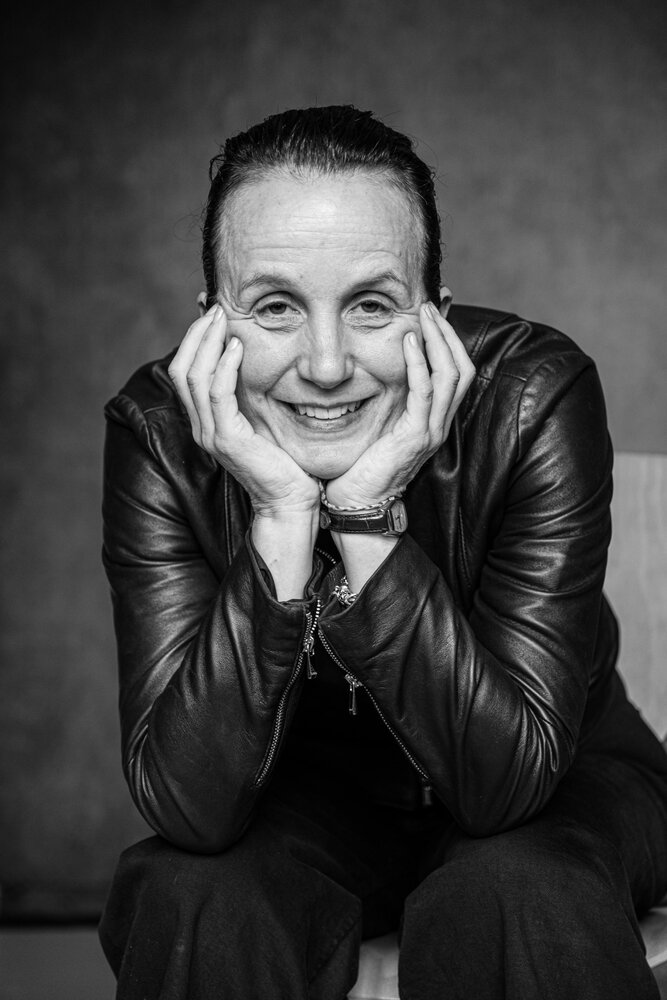
“Schools are doing tremendous work,” writes Sabine Doff in the text accompanying her study, in which she provides a detailed profile of twelve schools—six in the city of Bremen and six in Bremerhaven. To achieve lasting educational equity—in other words, to provide equal opportunities for all children—she recommends that administrators and policymakers place their trust in schools and provide more opportunities for dialogue and networking.
"Equal doesn't mean identical," you say—we shouldn't be talking about equality, but about equity in education. What does that mean?
Generally speaking, it’s important to understand that giving everyone the same thing doesn’t necessarily lead to greater fairness, because everyone’s circumstances are different. When you ask children how to divide a bar of chocolate among five children, they usually say that everyone should get an equal share. That’s great, of course, because it shows they’ve learned to share. However, there might be a child among them who is lactose intolerant. One might have just eaten an entire bar of chocolate, while another has never eaten chocolate in their life. Another approach is to take into account the individual’s unique circumstances. What is the child particularly good at? What happened before? What strengths and weaknesses do they bring with them into the educational system?
You distinguish three forms of equity—we’ve already discussed two of them. Could you briefly explain these three forms?
When everyone receives the same thing, regardless of their respective resources and circumstances, we call this distributive equity (Distributive Justice). It has the advantage of being easy to implement, but the major drawback is that it does not address existing inequalities. The second form is equity of recognition (Fairness in Recognition). It recognizes that not all children have the same needs and takes their strengths and weaknesses into account appropriately. The third is threshold equity (Threshold Equity). For example, it’s stated that all children must be able to swim across the Amazon River, and from there, what’s offered to them and how they’re supported is entirely organized around that goal. Perhaps there are already excellent swimmers who need a new challenge. Others may not yet know how to swim. The goal is for everyone to ultimately reach the set benchmark.
What led you to focus on equity in education?
I grew up with a middle-class worldview. The title of my school biography was: «Where there’s a will, there’s a way.» I’ve been working for 17 years in Bremen, Germany’s smallest state. It consists of only two cities, Bremen and Bremerhaven, both of which are characterized by very difficult conditions, particularly in social terms. It was here that I discovered that the credo “where there’s a will, there’s a way” does not apply to a growing number of children. Many children and families are willing, but in their daily lives they face limitations and obstacles that they cannot overcome through sheer willpower.
What might these obstacles be?
These might include questions such as: Do I arrive at school feeling full? Did I eat lunch? Can I play on the basketball team, which requires a per-semester fee? Or: Does a child need his or her own instrument to participate in music classes? And language can also be a significant barrier.
As part of the study, you profiled twelve schools and found that they are making significant efforts to improve equity in education. What leads you to say that?
A higher-than-average proportion of the people who work there are extremely committed. School administrators are deeply dedicated; they are often charismatic leaders who inspire their colleagues with their enthusiasm, develop new ideas, and constantly seek ways to adapt the system to better serve the children. As a researcher, meeting such people and seeing what they accomplish has been an extraordinary experience. On the other hand, it’s important to remember that educational equity should function even in the absence of such dedicated individuals. The entire system must change. Furthermore, it’s a shame when every school has to reinvent the wheel. Building networks and fostering exchanges is essential—not only for schools, but also for the administration and the political sphere.
Where do you see the biggest obstacles to the school's development?
One obstacle is excessive bureaucracy. A second is the need for regulation at a level above the individual school: schools can function much better when they are allowed to use their resources flexibly. And I see a third obstacle in communication. The scientific community too rarely presents its findings in a way that resonates with practitioners. Schools know exactly what needs to be done, and so do policymakers at the higher levels— Bremen’s current coalition agreement places a strong emphasis on equity in education. It appears that only the intermediate operational level above the individual school has not yet effectively assumed the pivotal role assigned to it and is struggling to bridge the gap between the two levels.
For your study, you also spoke with students and asked them to imagine their dream school. What did you find out?
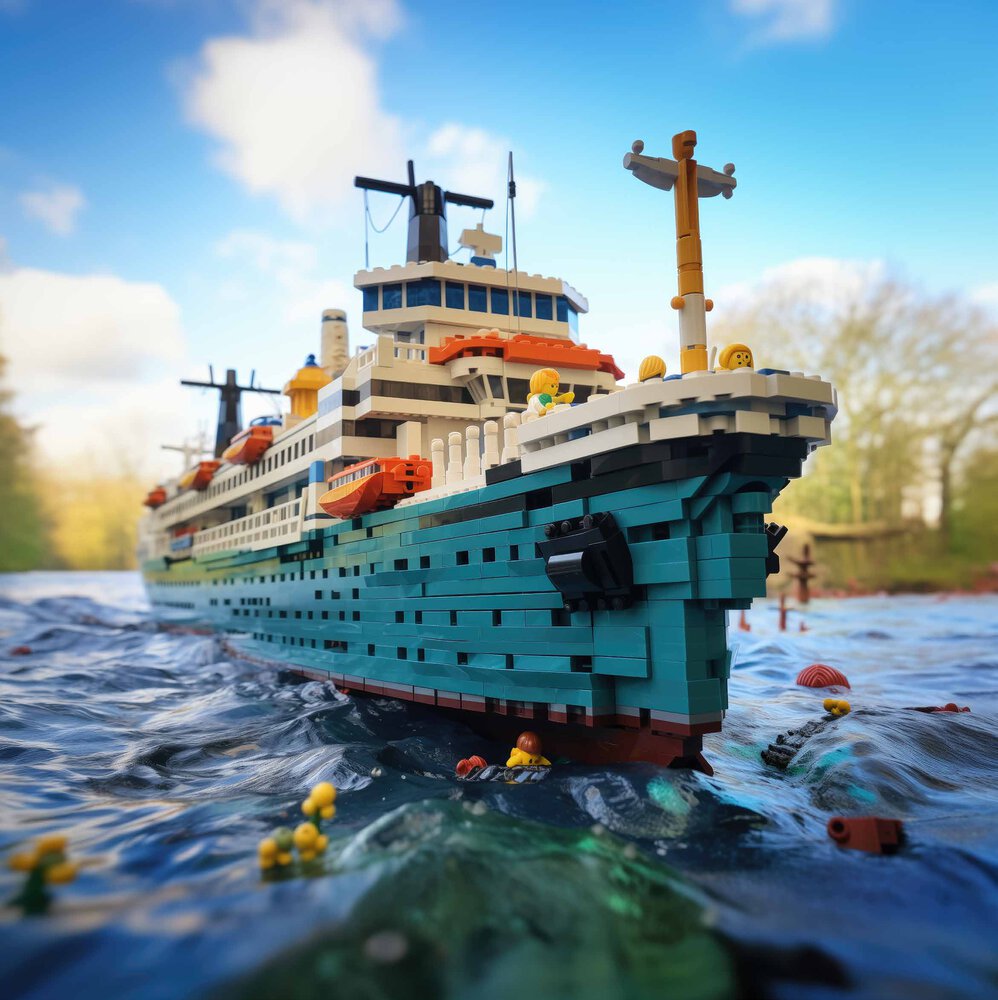
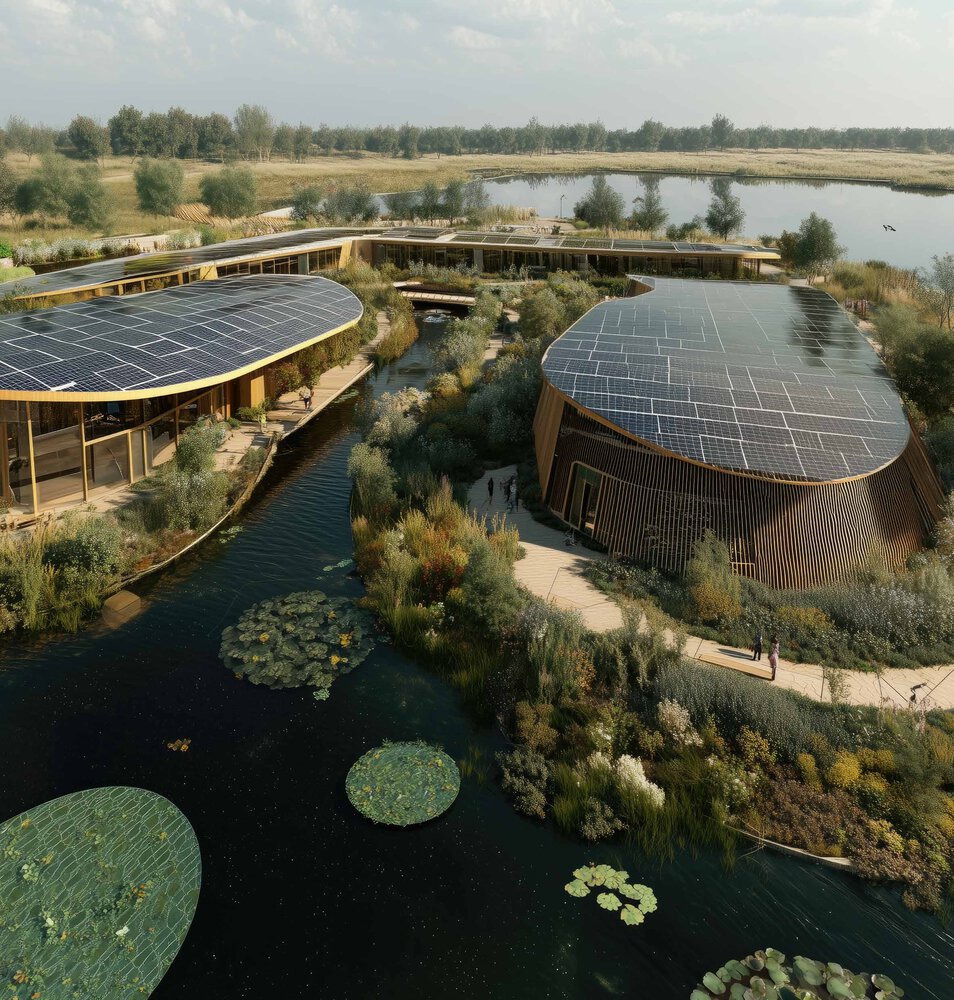
One example that really impressed me was the school depicted as a large ship. For the children, it was clear that there were well-defined roles and clear rules: a crew that takes care of the ship, and a principal standing on the deck. The ship itself was very large, as it was meant to provide a sense of security. When a ship is big enough, you don’t notice the swells. Furthermore, the entire ship was very orderly. You could sense that the children were looking for points of reference at school. That they know what they can rely on and what they can expect from others. Often, the dream schools also had a connection to nature—there were solar panels on the roofs, plenty of water, and greenery. And many included spaces for physical activity.
The «Expedition Bildungsgerechtigkeit» study: Learn more
The Forum on Music Education: Learn more