
Opening up musical practice to as many people as possible
The educational mission of Swiss music schools and their teachers covers both the general promotion of music, and the identification and encouragement of particularly gifted students. An overview of national and local offerings.




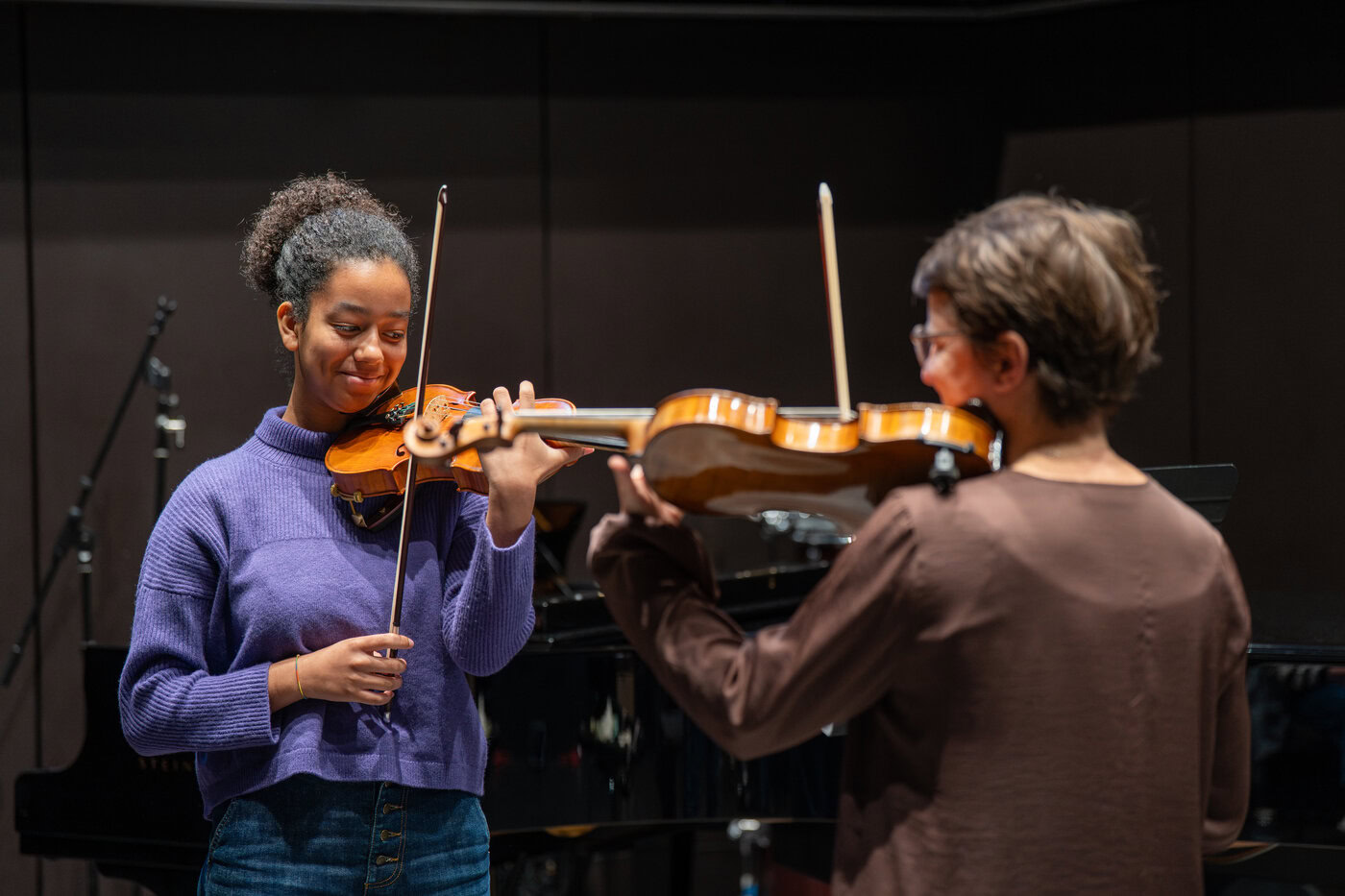
According to educational scientist Margrit Stamm, the concept of talent describes a potential for outstanding performance. It's a potential that doesn't develop spontaneously, but needs to be discovered, carefully nurtured and developed. Factors such as stimulating supervision and support, as well as a child's individual motivation and social skills, play an important role here. Collaboration between music teachers and parents, and between educational institutions, is also essential in identifying gifted children and young people. These are the findings of ASEM guidelines for the promotion of musical talent.
Young Talents Music
As part of«Young Talents Music»The Confederation supports the cantons in the development and implementation of their talent promotion programs. Contributions are paid to talented young people between the ages of 4 and 25. There are four levels of support: basic, level I, level II and pre-vocational. Talented students must pass an entrance examination before they can take part in the support program. By spring 2026, almost all the cantons had already submitted a talent promotion concept to the Confederation. In concrete terms, this means that gifted children who pass their entrance exam to the talent promotion program will receive financial support of between CHF 1,000 and 2,500 per year, depending on the level of support. The cantonal programs are not limited to the main instrument, but also include a second instrument, as well as workshops, theory courses and various ensembles and production opportunities.
Pre - College Days 2026
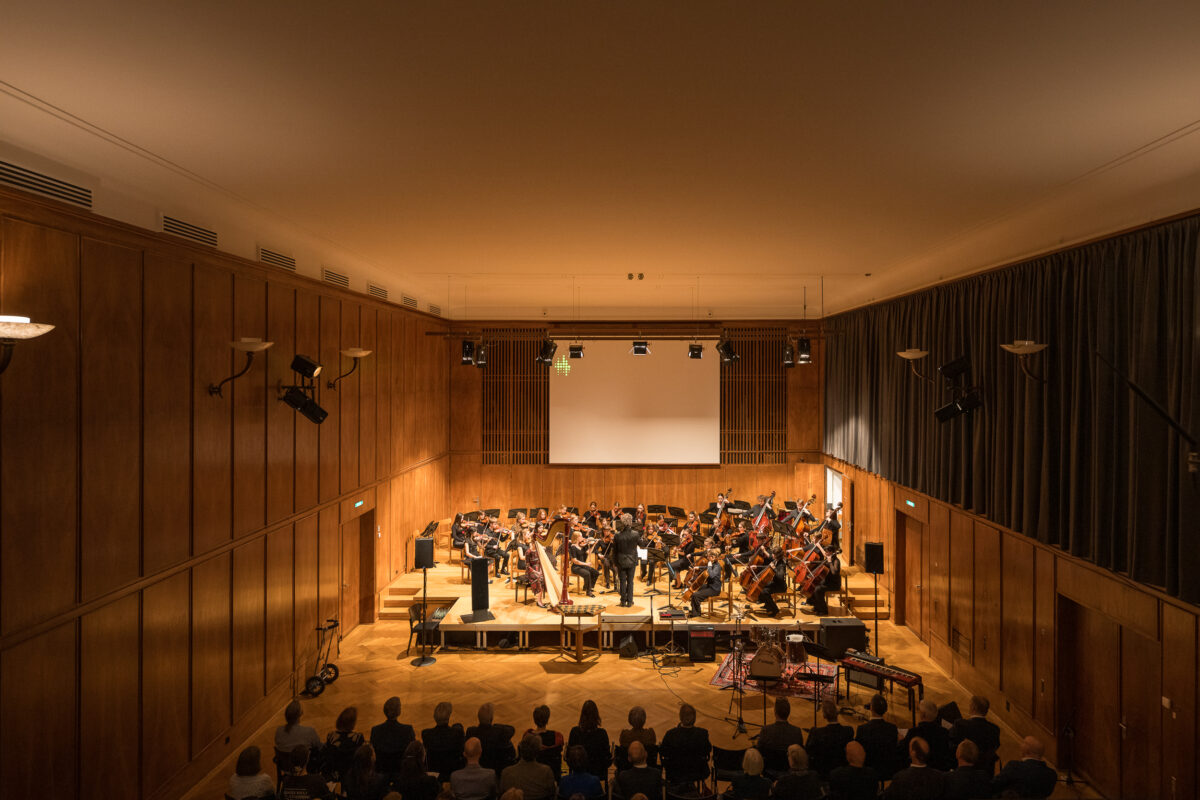
The third edition of Pre-College Days for students at the higher incentive level took place at the end of January 2026. This year's event was organized by the Basel Academy of Music. Around a hundred young people from all over Switzerland came to Basel-Stadt for a weekend, where they took part in a variety of interdisciplinary workshops and performed in a joint concert. «The young musicians were very open and curious, and enjoyed the exchanges,» says Martin Neher, deputy director of the Basel School of Music. He notes that teachers from the classical, early music, jazz and music and movement branches, as well as the directors of other pre-college sites in Switzerland, also benefited from this nationwide exchange.
«It's important to have structures that can identify talent,» he continues: «where is there an affinity, a curiosity, a pleasure for the subject?». For this, we need institutionalized tools and competent teachers: «There is so much hidden talent. Being able to develop and express one's talent is a right to training that should apply to everyone.» That's why he insists that without general encouragement, talent nurturing would be impossible. «General encouragement is fundamental. It's the only way to discover talent, and also to ensure equal opportunities.»
Key people in general encouragement
As confirmed by the «Music Teacher» professional profile developed by ASEM, music teachers are ambassadors for musical training and are committed to equal opportunities in the musical education of children and young people. On the one hand, they play a key role in discovering musical talent; on the other, they foster the pleasure of making music, develop self-confidence and set goals tailored to age and interests. Ensembles, camps and concert projects that pursue not only musical but also social objectives play a particularly important role in general encouragement. These offers, made by music schools as well as music societies, are supported by the Swiss Federal Office of Culture through the program «Youth+Music».
Youth+Music
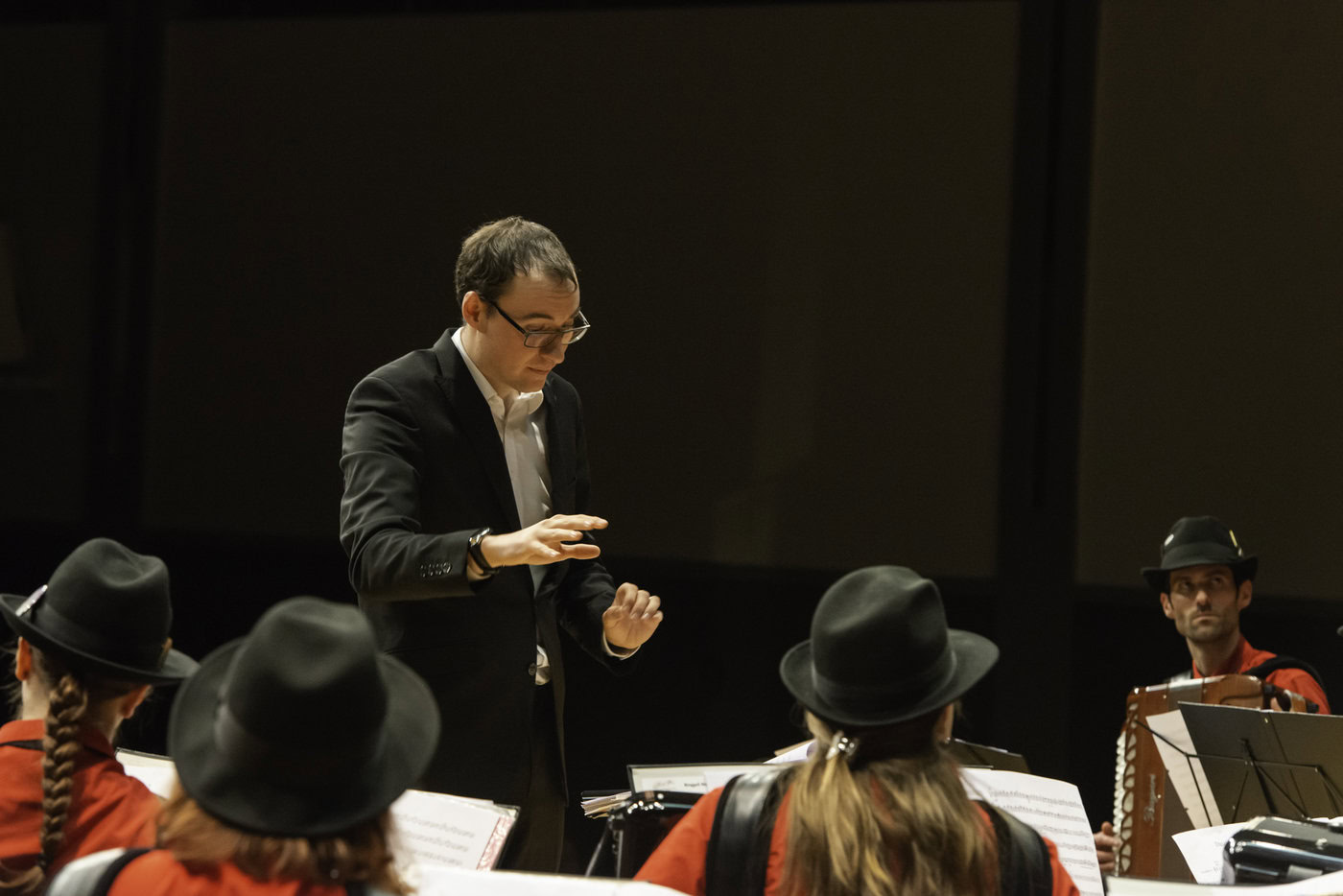
Visit Echo des roches« accordion society» of the canton of Fribourg, directed by music teacher Julien Tudisco, offers an example. Julien Tudisco gives individual accordion lessons and leads ensemble rehearsals for different age groups. «For children and young people, it's not just about playing music,» he explains. «In addition to school and home, it's another place where they can find their place and express themselves.» The music society, he observes, brings together people of all ages, enabling older members to accompany younger ones musically, but also socially.
What's more, young people can get involved in the organization at an early age, and gain experience in the process. «I think this is very important,» he says. «Of course, I'm a musician and I want to introduce them to the accordion, but when I see how bonds are forged over the years and support them even in difficult times, it fills me with joy.» The social aspect, in particular, sparks children's interest in the accordion, as they are also keen to play in the music society, which, he points out, is great for an instrument that children and parents don't necessarily think of first. He also points out that young people who get involved in the music society are less likely to abandon their instrument during the critical transition periods of entering high school or starting an apprenticeship. «I've been running Echo des Roches for 15 years now,» explains Julien Tudisco. «Many of our adult members started when they were children. They do their recruit school, then come back to the company; they go to university, then come back again. It's great.»