
Interpreting music from the late Middle Ages to Liszt
Editions Symétrie's catalog has been enriched with new and interesting publications that will delight musicians and music lovers alike, especially pianists, violinists and lovers of medieval music. Chopin is honored by the Neuchâtel gallery Ditesheim & Maffei.




The violin of Baroque Germany
Globally neglected, the German violin repertoire of the 17e However, there are many treasures to be found here: not only scores by Biber or Schmelzer, but also, among others, those of the North German school, mainly around Hamburg and Lübeck. Delightfully translated by violinist Fabien Roussel, musicologist Greta Haenen's 2009 book draws on this corpus, both in print and in manuscript, as well as period treatises and iconography, to examine questions of technique and interpretation, such as violin and bow holding, bow strokes, sonority and intonation, scordatura, vibrato, fingerings and ornamentation. The author shows that practice, differentiated according to circumstances (dance accompaniment, ensemble playing, amateur reunions or solo virtuosity), was not uniform. Moreover, as some musicians played both, the viol and viol families coexisted more easily across the Rhine than in Italy. This fascinating work reveals a whole world of marginal fiddlers, itinerant troupes of musicians, dilettante bourgeois and seasoned professionals, analyzes musical sources and studies the way in which they were transmitted and disseminated. Thanks to the quality and wealth of its indications and information, it will be equally useful to performers of Baroque music and to music lovers wishing to deepen their knowledge in this field.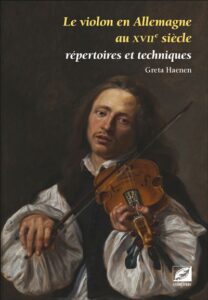
Greta Haenen: The violin in 17th-century Germanye siècle, répertoires et techniques, translation by Fabien Roussel, 276 p., € 35.00, Symétrie, Lyon 2025, ISBN 978-2-36485-316-4
Composing around 1400
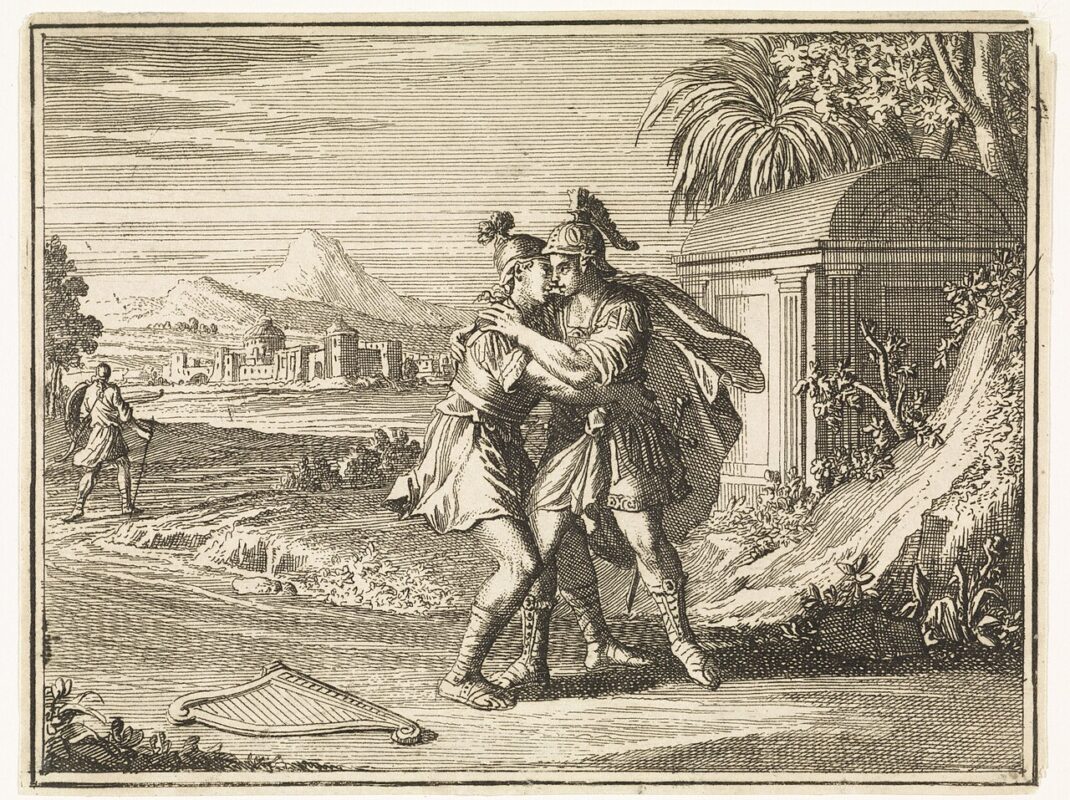
Another under-explored repertoire is that of the early 15th century.e century. At a time when the Ars subtilior was in its infancy and the Franco-Flemish school had not yet developed, Pierre Fontaine, from Rouen, of whom only seven chansons have survived (some with various variants), tried his hand at a simple, serene style, with often stereotyped melodic formulas, making himself the original precursor of the secular music of the most eminent representatives of the Burgundian school, Binchois and Dufay. He himself was a member of the chapel at the court of the Dukes of Burgundy for almost half a century, not without a few interruptions during which he was employed by Pope Martin V, among others. The relatively wide distribution of works attributed to him seems to attest to the good reputation Fontaine must have enjoyed. Mathias Le Rider, a musicologist specializing in this period, invites us into the composer's workshop, to understand how these songs were written, copied and distributed. He also describes how they can be sung or played today (exact placement of texts on the music, use of alterations by the musica ficta, use of instruments and other suggestions for interpretation). The book is completed by a modern transcription and full recording (available online) of Pierre Fontaine's songs, each of which is analyzed in detail, along with the options chosen for their performance.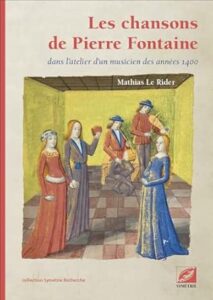
Mathias Le Rider: Les chansons de Pierre Fontaine, dans l'atelier d'un musicien des années 1400, 276 p., € 35.00, Symétrie, Lyon 2024, ISBN 978-2-36485-217-4
Memories of Liszt the teacher
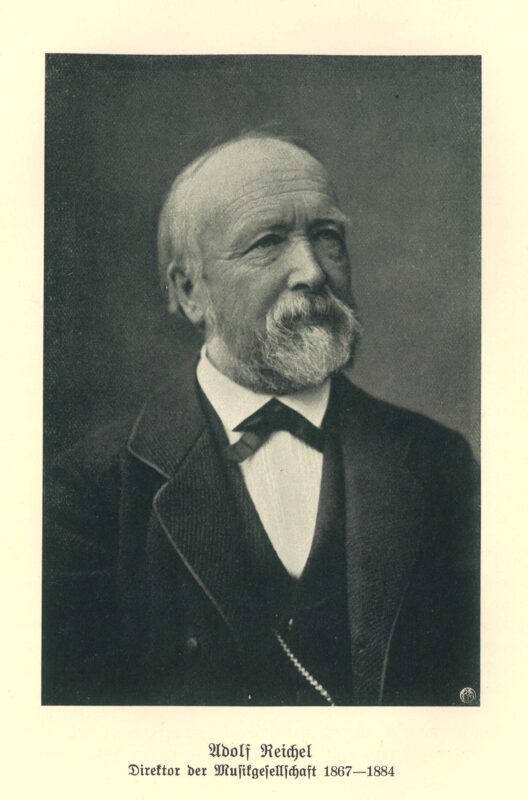
Countless pianists were Liszt's pupils, whether temporary or regular, not to mention the charlatans who claimed to have studied under him. Among the faithful inheritors of his teaching, Lina Ramann collected interpretative comments, based on her own memories and those of her fellow students, which she compiles in her book Liszt-Paedagogium (1902), the first French translation of which was produced by Nicolas Dufetel, who also wrote the introductions and annotations. Presented here, with numerous details and musical examples, are pieces as diverse as variations on Weinen, Klagen, Sorgen, Zagenthe third and fifth Hungarian rhapsodies, the cahier des Consolationsor the concert study subtitled Un Sospiroamong many others. Intended for practical use, this volume also contains variants of some passages from works such as the Sonata in B minorThe book also includes an essay by Nicolas Dufetel, based on previously unpublished documents, dedicated to the pedagogy of the inventor of modern piano technique and the main characteristics of his playing, revealing his interest in rhetoric. An indispensable tool for performers wishing to learn more about the particularities of Liszt's pianistic thinking.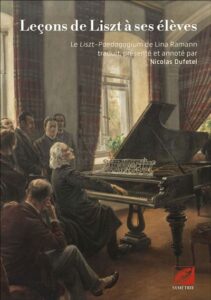
Leçons de Liszt à ses élèves, le Liszt-Paedagogium by Lina Ramann, translated, presented and annotated by Nicolas Dufetel, 112 p., € 24.00, Symétrie, Lyon 2025, ISBN 978-2-36485-109-2
Noting the ephemeral
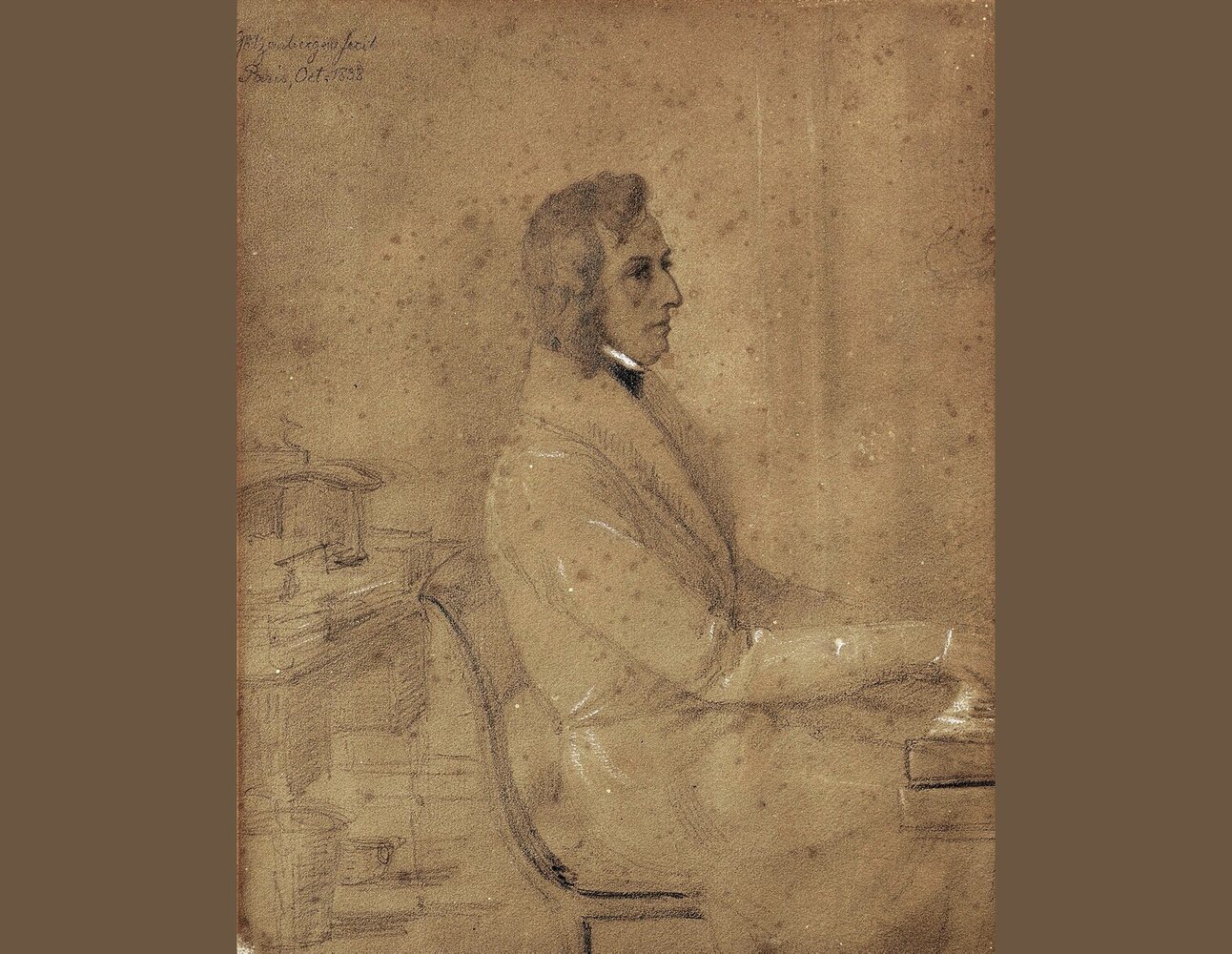
The Ditesheim & Maffei gallery in Neuchâtel's old town also publishes art books, as well as three monographs by musicologist Jean-Jacques Eigeldinger devoted to Chopin, of whom he is a widely recognized specialist. We have already reviewed a brief survey of the Polish master's main Parisian friendships, including other themes. Published in 2023, the booklet Chopin and his "written tormentTwo years later, a section on the violence and nervousness of his work was added, echoing his sometimes irritable temperament. Testimonials in praise of his qualities as a performer and improviser abound, underlining his extremely broad palette of nuances and sonorities. Letting himself be inspired by the moment, he never played his compositions the same way twice. Just as the music flowed under his fingers as if from a spring, so it struggled to find its definitive form under his pen. The study of manuscripts and the recollections of his students provide additional insights into the phrasing, pedal use, articulation and accentuation of his works. In short chapters, the author gets to the heart of the issues, offering new food for thought for performers and other admirers of Chopin.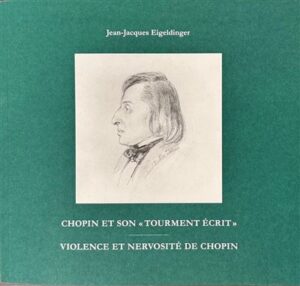
Jean-Jacques Eigeldinger: Chopin et son " tourment écrit ", violince et nervosité de Chopin, new enlarged edition, 67 p., € 30.00, Ditesheim & Maffei, Neuchâtel 2025, ISBN 978-2-8399-4602-5