
Music for caring and bonding
Three Vaud universities, including the HEMU, have worked with young patients to develop a musical video game that helps them bond.




A recent study (1) examined the prevalence of mental disorders in a sample of 2038 young people aged 14 to 19 living in Switzerland and Liechtenstein: 45 % reported low emotional well-being, 37 % depression and/or anxiety, 45.7 % suicidal ideation and 8.7 % one or more suicide attempts. The mental health of young people is therefore a major public health concern. In March 2024, a position paper from the Federal Commission for Children and Youth called for strong, sustainable action, including the expansion of prevention and care services, and recommended involving young people in the development of these services. (2).
New video game trends
Video games are one of the resources that can help young people in difficulty, or even suffering from psychological decompensation. Research shows that video games are not only a risk factor for physical and mental health, especially when played excessively, but that they also contribute to the development of the imaginary, affective and cognitive life, and play a constructive role in psychotherapy for adolescents and young adults. (3).
For the past few years, innovative play objects designed around the notions of well-being, health and ethics have been challenging the classic standards and dominant models of the digital entertainment sphere: the wholesome games that offer a light, relaxing atmosphere, the slow games characterized by minimal interaction frequency - one movement per day -, the empathy games whose scripts are based on deep, touching stories. cosy games that emphasize non-violence and relaxation, the zen games designed to promote relaxation, concentration and self-awareness, or the care games that stimulate compassion, empowerment, emotional expression and cooperation, while reducing stress and strengthening positive relationships (4).
The central role of music
Music is another resource that contributes to the mental and social well-being of young people. It has been shown to play a key role in regulating emotions, strengthening social relationships and reducing the sense of loneliness that accompanies psychological disorders, but which also affects those in good psychological health. Music helps us get through the bad times. It fosters identity-building in teenagers, offering them the chance to distinguish themselves from adults while identifying with their peers. Finally, it provides a space for expression and creativity.
Project Amuze-toi!
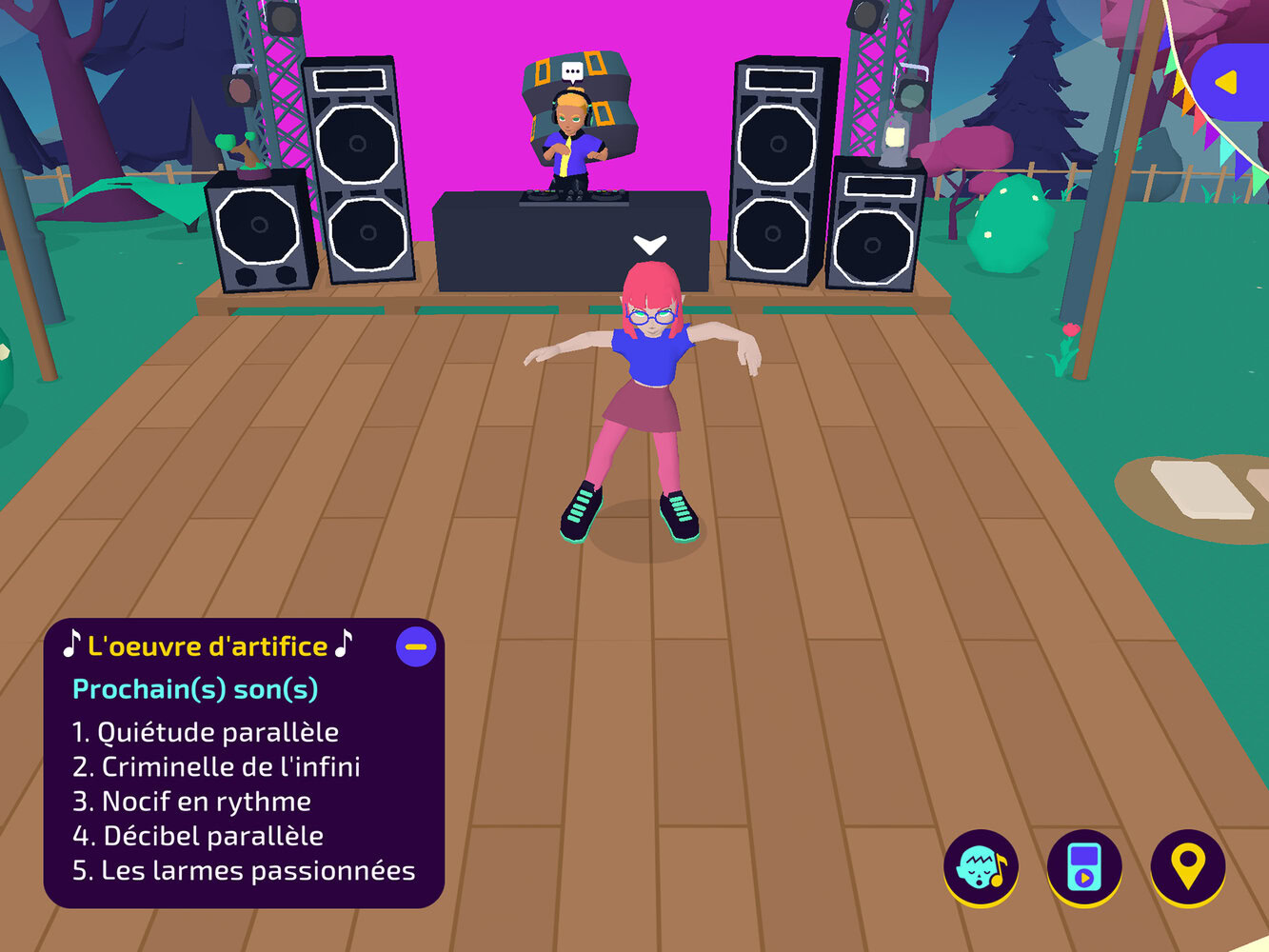
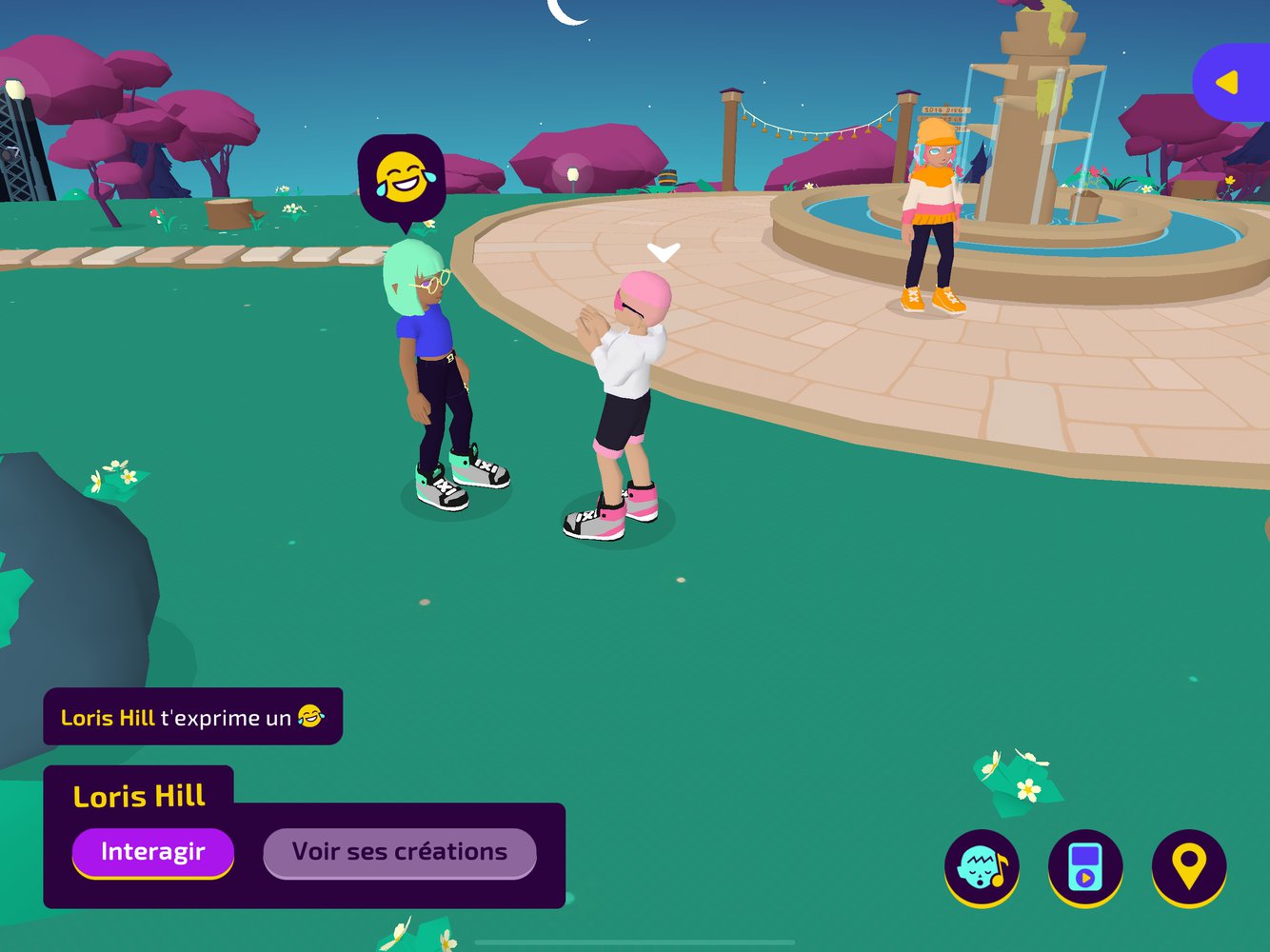
The "amuze-toi!" project was born of these observations. Conducted by three universities of applied sciences in the canton of Vaud - HEMU, HESAV and HEIG-VD - in partnership with the digital studio Tourmaline, the Institut maïeutique (IM) and the Unité d'hospitalisation psychiatrique pour adolescents (UHPA) at the CHUV's Service universitaire de psychiatrie de l'enfant et de l'adolescent, the aim of the project was to co-develop with young patients a care game promoting well-being, self-confidence, emotional expression and positive interaction through musical creation.
Identify expectations and preferences
In spring 2023, a first workshop offered a space for sharing around music and video games. A group discussion, followed by an individual questionnaire, enabled us to gather participants' preferences regarding the use of music for recreational or therapeutic purposes. These exchanges revealed recurring expectations: a soft, reassuring environment, the possibility of expressing oneself through music, optional but enriching interactions, an inclusive approach and room for creativity.
Based on these data, five game scenarios involving music, creativity, cooperation and sharing were developed and then put to the test by patients, researchers, healthcare professionals and a control group of mentally healthy young people. The "Musical Dialogue" scenario, based on musical exchanges between avatars evolving in a gentle, inclusive environment, stood out and was selected.
Mobilizing young people's videogame skills
The development phase of the care game ran from summer 2023 to autumn 2024. It mainly took place at MI, which offers long-term care, enabling continuity in young people's involvement throughout the process. The acute nature of the hospitalizations at the UHPA limited the possibilities for long-term involvement, so the young people's involvement there was ad hoc.
Nine workshops were planned as the game evolved, from the first models to the playable versions. Patients were involved in defining every detail:
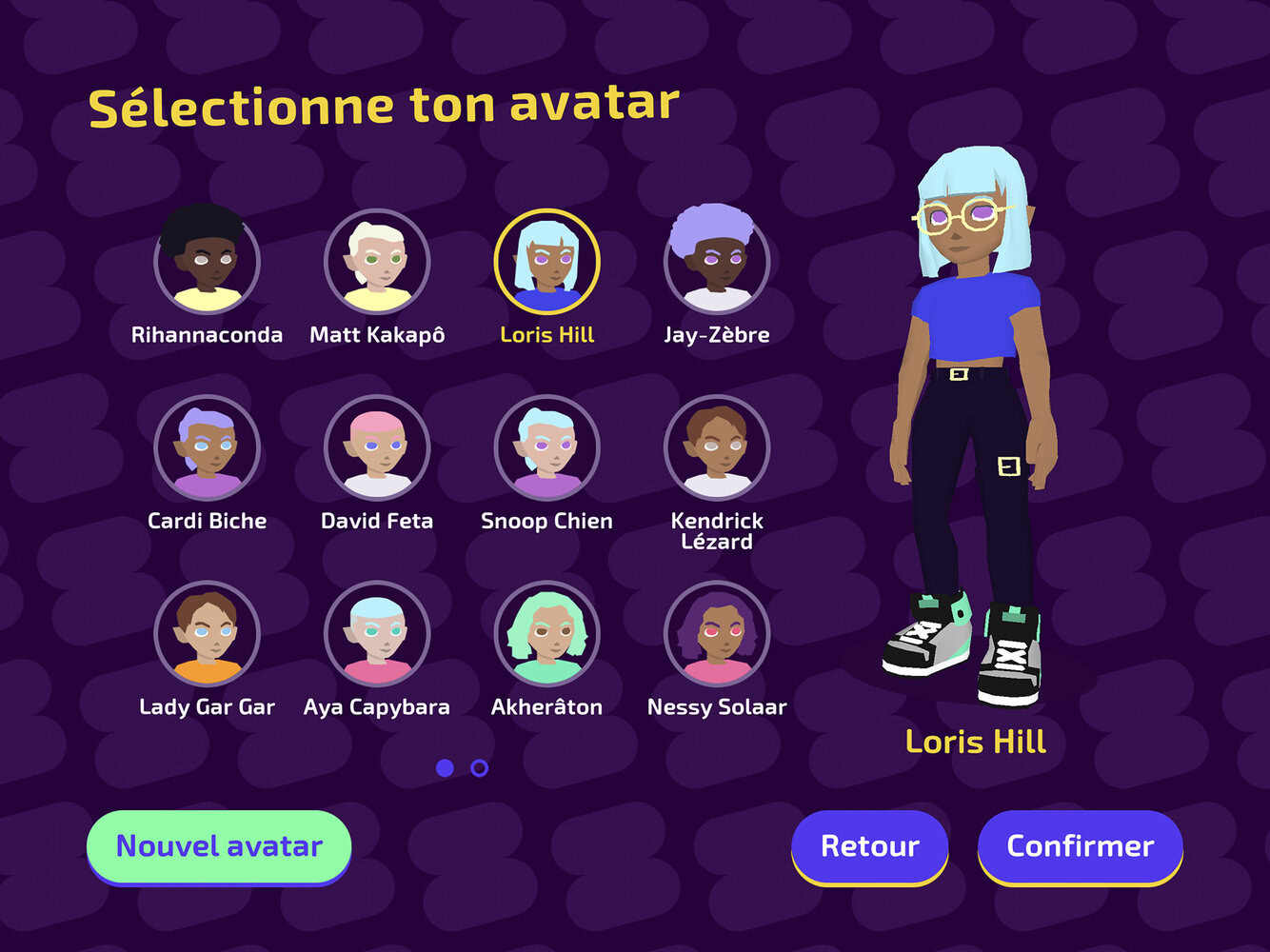
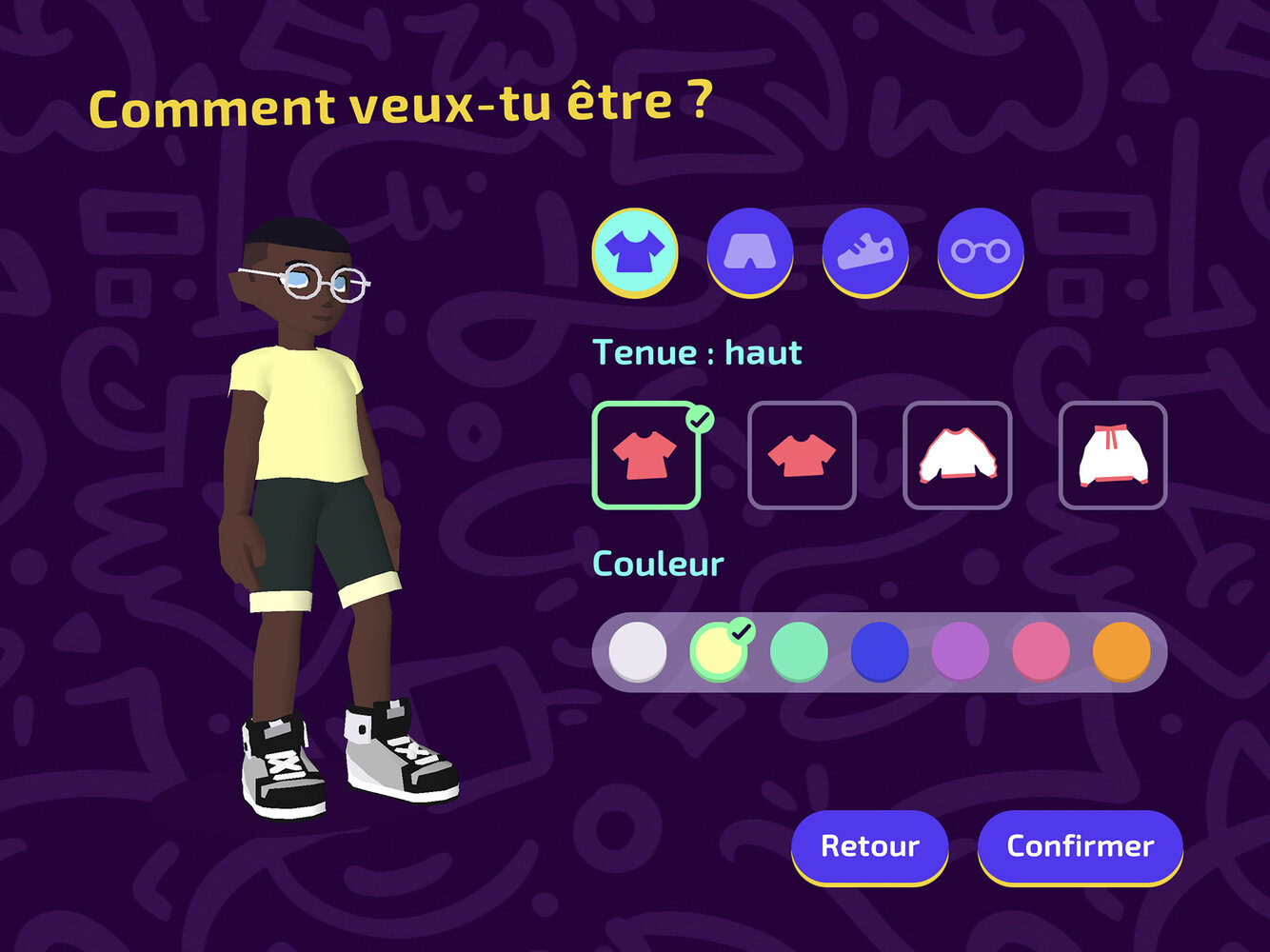
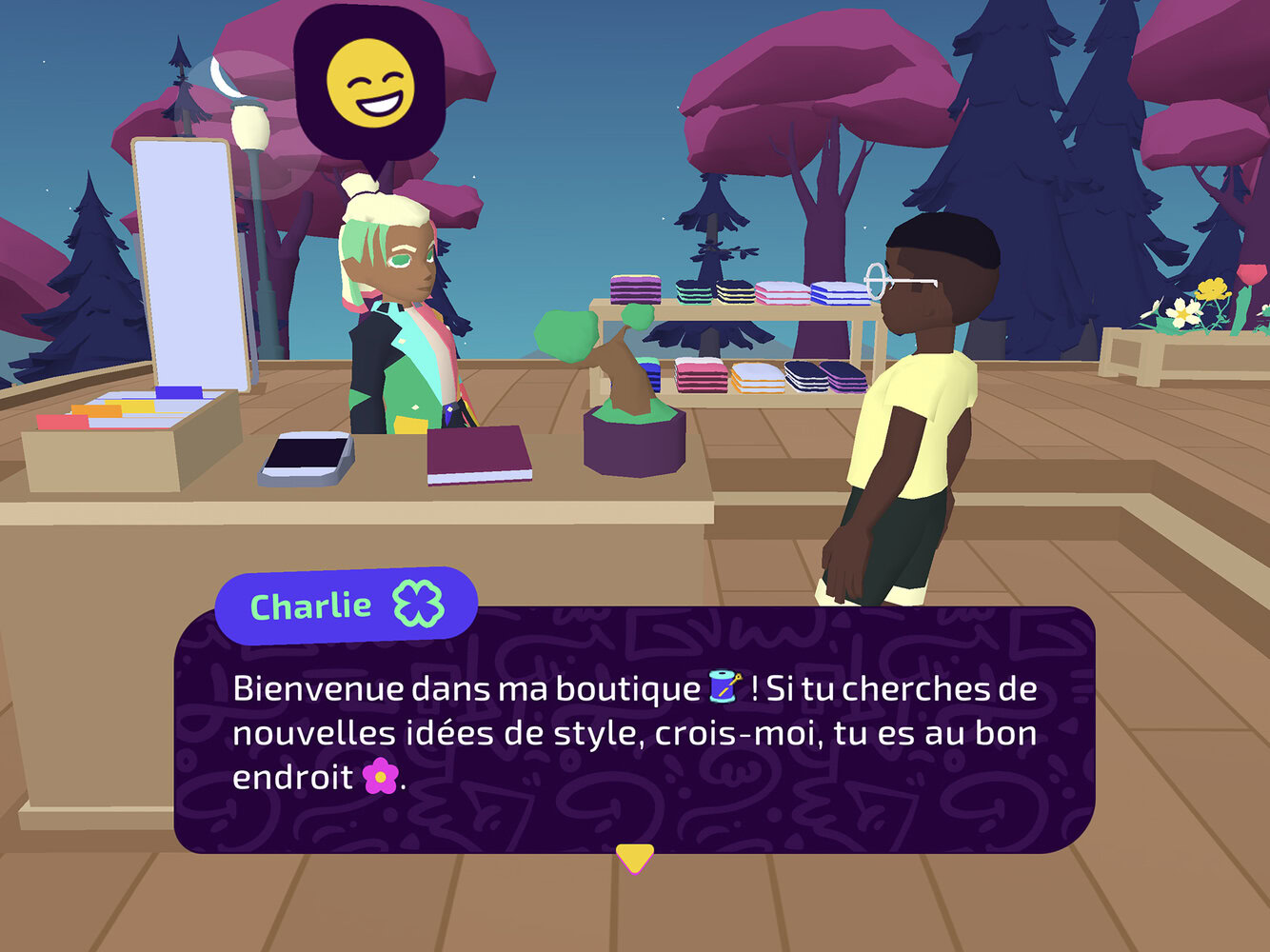
- Visual design: avatar appearances (clothes, hairstyles), locations and landscapes,
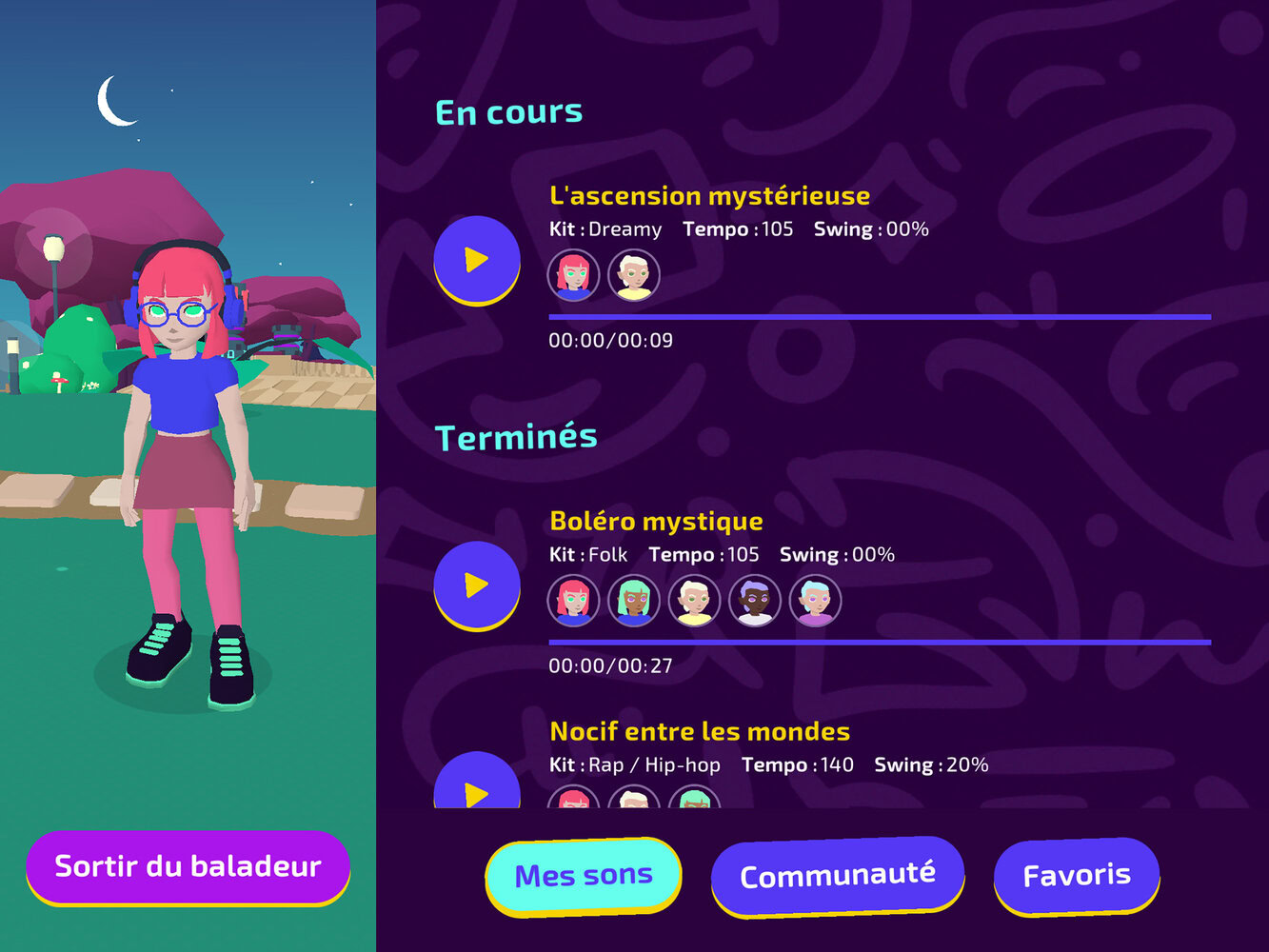
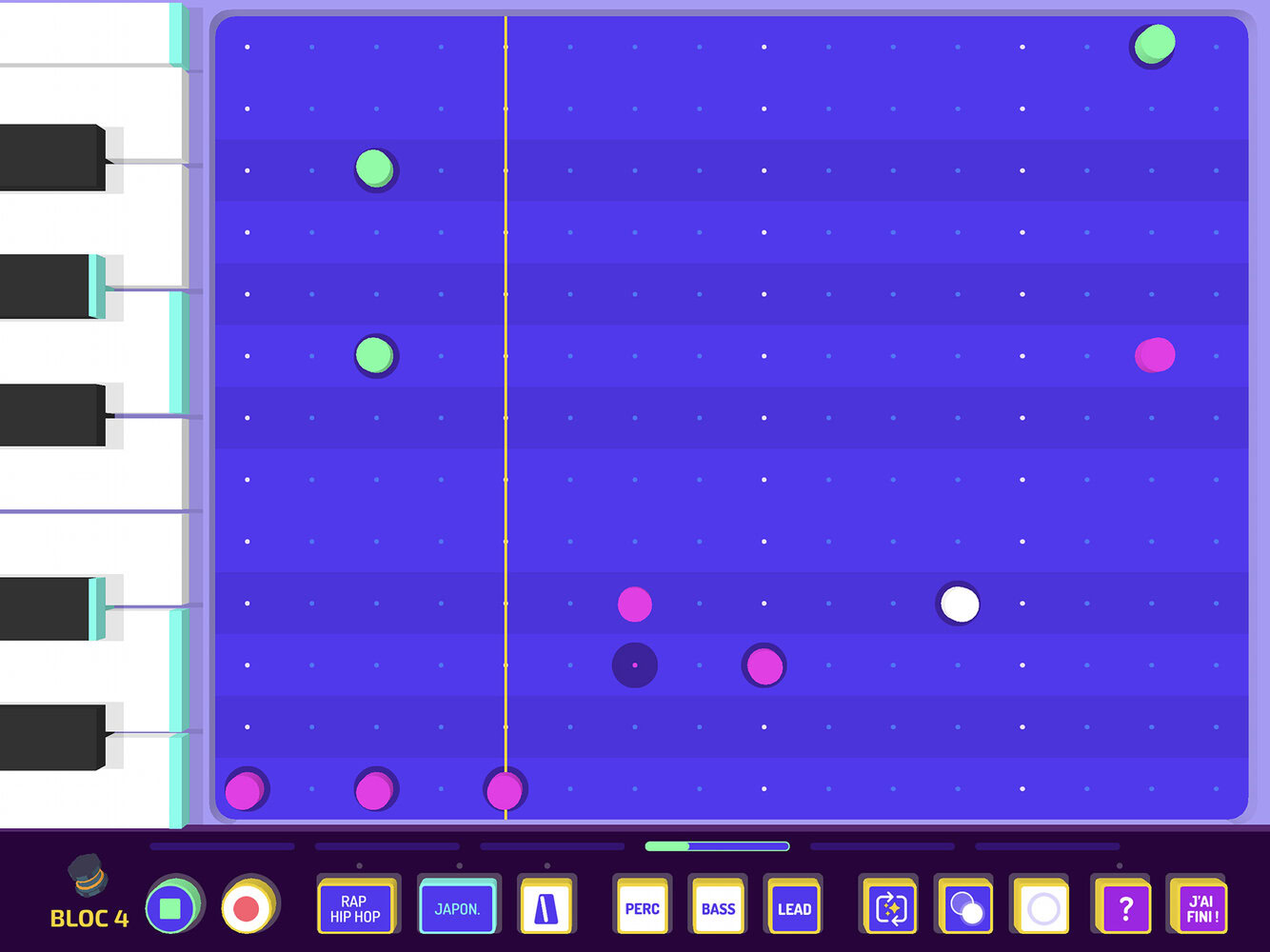
- Sound environment: create a variety of musical ambiances and nature sounds, design a sequencer to compose songs (musical styles, instruments),
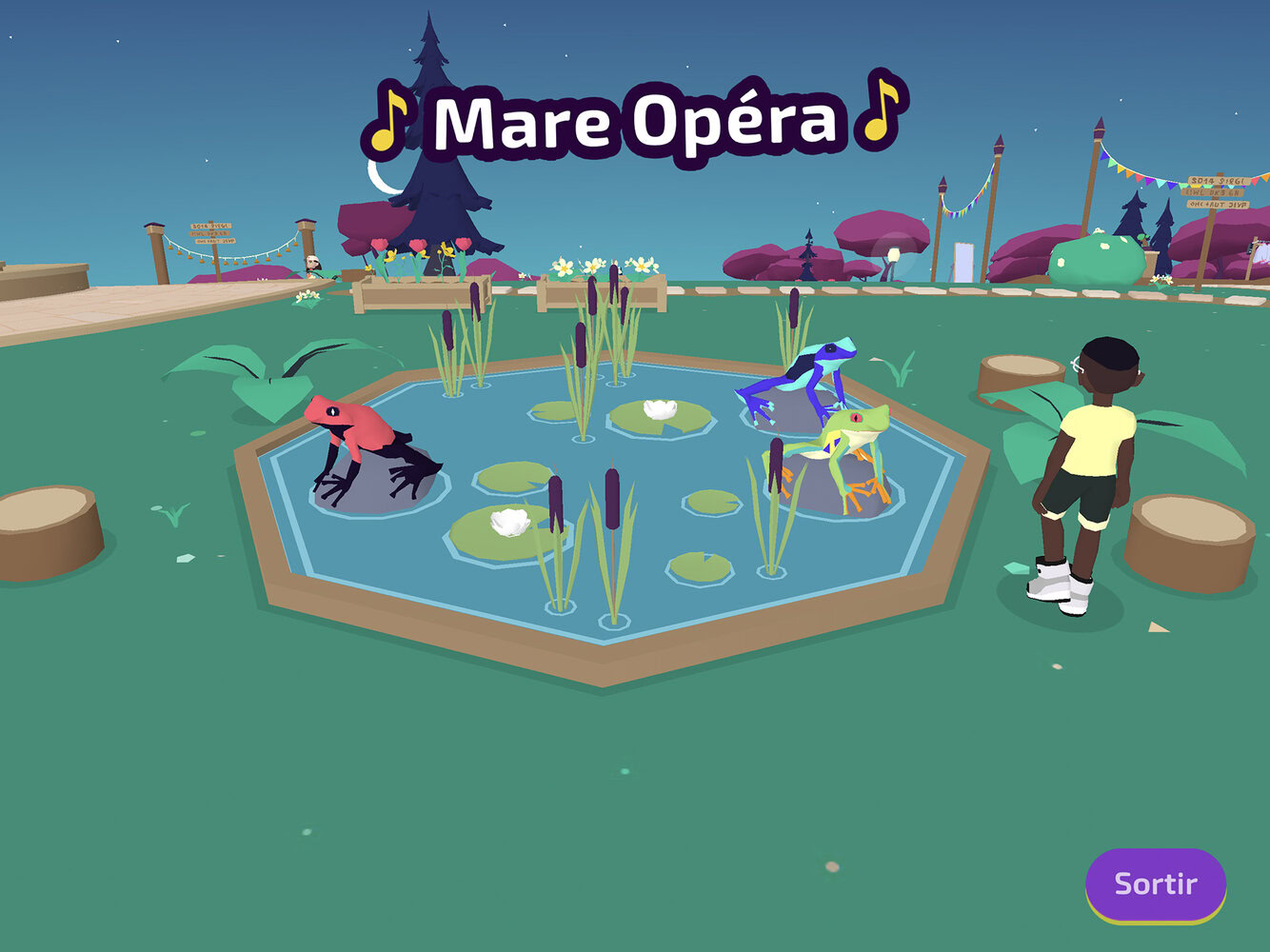
- Gameplay: park activities (avatar creation, collective composition, live music, dance floor, various interactions with other avatars).
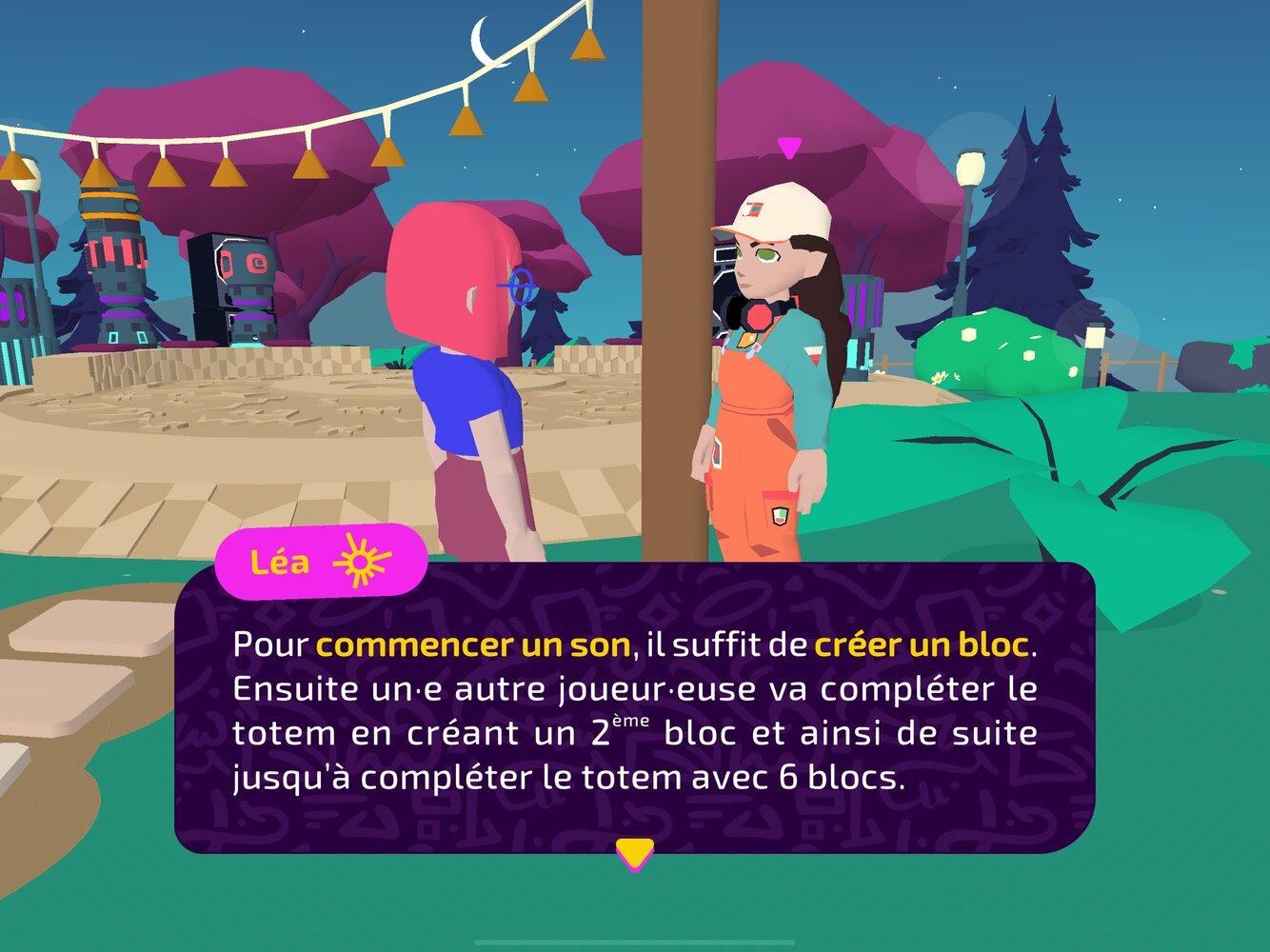
Thanks to the youngsters' feedback, the game was enriched with creative ideas: a map to facilitate orientation, a "walkman" option to signal that an avatar is immersed in his music and momentarily unavailable. Their attention to inclusivity led to the addition of the pronoun ielin addition to the it and she to designate their avatar. Finally, they chose the name of the game: Groovy Park.
Initial feedback and adjustments
After more than a year's work and co-creation, a first stable prototype saw the light of day at the end of summer 2024. In September, tablets equipped with the game were supplied to the two partner institutions, along with explanatory sheets to guide the teams. One month later, after a period of autonomous use, the care and support teams shared their feedback. The game quickly found its place in both institutions. It was often used in groups, although some preferred to play alone, especially those who tend to isolate themselves. Concrete feedback from patients helped to identify ways of improving the game or solving specific problems. bugs techniques. Caregivers have also begun exploring the therapeutic uses of play, for example by integrating it into music therapy workshops.
Caring and bonding
In early 2025, a longer test phase was launched, this time at the UHPA. Young patients were offered free play sessions once a week. Observation of these sessions made it possible to document the interactions between male and female players, as well as the impact of Groovy Park on group dynamics and young people's well-being. Generally speaking, the feedback has been positive. Even skeptics and those who were reluctant to play the game found it to their liking in one way or another. Rich and varied interactions were observed, both inside the game (via avatars) and outside (face-to-face exchanges). These included the appearance of avatars, the creation of music, or collective actions such as singing or dancing together, chasing each other or playing hide-and-seek... Some young people chose to play solo, to compose their own music. They expressed the wish that the game would integrate a studio that would allow real creative work and composition.
Conclusion
As part of a co-design approach based on patient partnership, Groovy Park was developed with the active contribution of young patients, from ideation to testing. Their experiential expertise, combined with their familiarity with the worlds of video games and music, was a major lever in producing a device aligned with their needs, preferences and culture.
Game presentation clip : youtu.be/q0vnk1I2G_8
Anmerkungen
(1) Barrense-Dias, Y., Chok, L., & Surís, J. C. (2021). A picture of the mental health of adolescents in Switzerland and Liechtenstein. Lausanne, Unisanté - Centre universitaire de médecine générale et santé publique (Raisons de santé 323). https://doi.org/10.16908/issn.1660-7104/323
(2) Galley, L. (2025, February 10). Youth mental health: what are the priorities? Reiso, Revue d'information sociale. https://www.reiso.org/articles/themes/enfance-et-jeunesse/13706-sante-mentale-des-jeunes-quelles-priorites
(3) Cox, A., Danilina, O., Fonesca. A., & Johnson (2017). The effectiveness of serious video games on mental health related outcomes: Systematic review. https://discovery.ucl.ac.uk/id/eprint/1570493/
(4) Lefebvre Thillier, N. (2024). The ethics of care and solicitude in contemporary video games: what new perspectives? To the test, 10. https://hal.science/hal-04497711v1